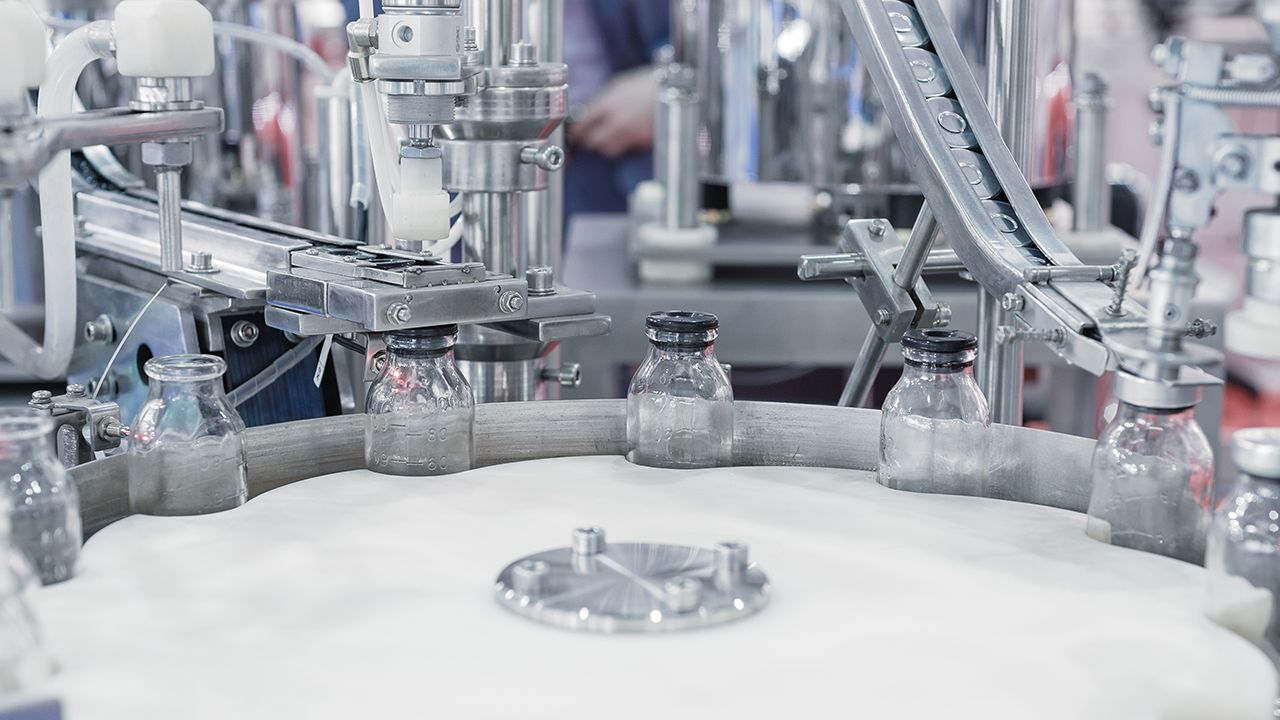


Vendors are finding ways to address the increasingly complex analytical challenges in the biopharmaceutical industry to further biotherapeutic development.
There are considerations companies may want to consider before seeking out a service provider.

Strategizing a PK/PD study approach in early phase development facilitates a successful clinical progression.
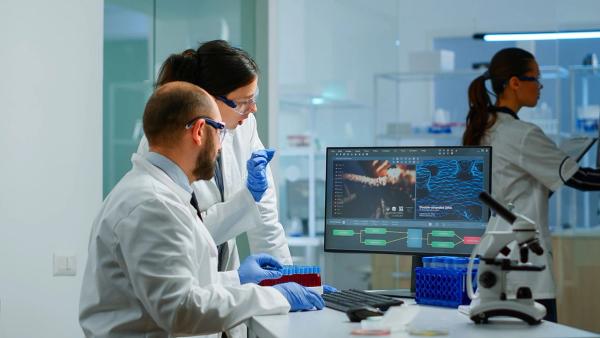
Demand for efficient tech transfer, as well as compliant on-time delivery, is rising.

Vendors are finding ways to address the increasingly complex analytical challenges in the biopharmaceutical industry to further biotherapeutic development.

After a hectic 2020, biopharma looks to deliver on COVID-19 vaccines and move other promising therapies forward.

Outsourcing increases as the industry balances development and manufacturing of both COVID-19 treatments and non-pandemic-related medicines.
Evonik offers lipid nanoparticles for gene-based drug development and manufacturing.
The company is investing in expansion at four sites in the United States, United Kingdom, and Italy, which will include construction of new facilities and addition of sterile and lyophilized filling lines.
Cytiva is adding process development, media and assay development, and contract development services at its facilities in Korea, Japan, Sweden, and the UK.

CDMOs strive for flexible, adaptable processes and fast tech transfer for manufacturing investigational drug products, including COVID-19 treatments and vaccines
The new super plant, being built in Incheon, South Korea, will have a total biopharmaceutical manufacturing capacity of 256,000 L.
The companies have formed a long-term manufacturing agreement to accelerate the global supply for Lilly’s COVID-19 antibody therapeutics.
The partners have established PathoQuest, Inc., a US subsidiary, and will construct an NGS-based testing lab at Charles River’s Wayne, PA, site.
Apiject was approved for a $590-million loan from the US to build in-country capacity for COVID-19 vaccines and therapeutics.
Analysis from the CPhI Annual Report has revealed that the global contract services sector is benefitting from a switch toward COVID-19 manufacturing and clinical-stage contracts; however, mega-cap pharma innovation is slowing outsourcing.
The agreement will provide capacity for the manufacturing of AZD7442, currently being developed for the potential prevention and treatment of COVID-19, at Lonza's Portsmouth, NH site.

Single-use equipment, analytics, and automation may add complexity, but they are reducing scale-up costs and timelines.
3P Biopharmaceuticals, and Oxford University spin-out, SpyBiotech, have signed a vaccine contract manufacturing agreement.
Catalent has signed an agreement with Bone Therapeutics for the acquisition of Skeletal Cell Therapy Support SA (SCTS).
Following a recent expansion at its Cambridge, MA, facility, the company now houses a new suite of cellular analysis platforms that enhance its exploratory capabilities into oncology, neuroscience, and rare diseases.
The company’s new CytoML Experiment Suite fully automates each stage of the flow cytometry data lifecycle, allowing for clearer data visualization and analysis.
GRAM is expanding fill/finish capacity and is working with Janssen on tech transfer in preparation for production of Janssen’s SARS-CoV-2 vaccine candidate at GRAM’s Grand Rapids, MI facility.
The investment at its Madison, WI, facility will expand MilliporeSigma’s capacity for high-potent active pharmaceutical ingredient production and allow for continuous flow manufacturing of ADCs.
The company is investing $130 million to add Phase III through commercial-scale manufacturing suites to its gene therapy campus in Harmans, MD.
Rapid scale-up to billions of doses requires collaborative, all-out efforts by innovators, their manufacturing partners, and the entire supply chain.

Cellular and gene therapy fields are currently on track for, if not already experiencing, a serious capacity crunch.
Thermo Fisher Scientific is increasing access to cry-electron microscopy with the help of contract research organizations.
Conversations with CMOs/CDMOs about capabilities and how they work to reduce complexities in the supply chain should focus on cost efficiency, temperature excursions, and sustainability.