
Conference Coverage
Latest
Jun 05, 2026 | News
FAQ: What You Need to Know About AI and Analytical Innovation in Biopharma Development

The BioPharm Brief: Biosimilars, Stem Cells, and Checkpoints
Jun 05, 2026

TIGIT review highlights unresolved questions for pancreatic cancer immunotherapy
Jun 05, 2026

FDA Approves Lupin’s Interchangeable Ranibizumab Biosimilar Ranluspec for Multiple Retinal Diseases
Jun 05, 2026

Made Scientific, Pluristyx Partner on iPSC Cell Therapy Manufacturing
Jun 05, 2026





Advertisement
Shorts

0:38
3D Printing Bones: The Future of Biomedical Engineering
3 days ago
by
Feliza Mirasol(+1 more)

0:35
The Secret to a Thriving Biotech Ecosystem
9 days ago
by
Feliza Mirasol(+1 more)
0:31
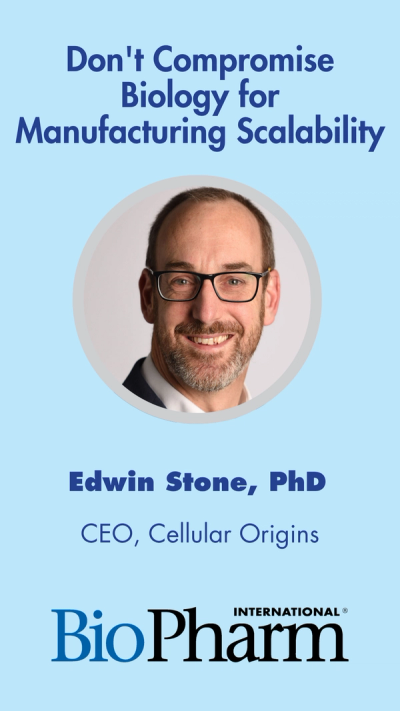
Don't Compromise Biology for Manufacturing Scalability
16 days ago
by
Feliza Mirasol(+1 more)

0:33
Why Great Science Fails without Scale
17 days ago
by
Feliza Mirasol(+1 more)
0:51
Why CAR T Cells are 'Living Drugs' That Grow Inside You
23 days ago
by
Feliza Mirasol(+1 more)

0:26
Solving Complexity in Modern Biopharma Analytics
24 days ago
by
Feliza Mirasol(+1 more)

0:32
A Cure for Type 1 Diabetes? The Future of Cell Therapy
a month ago
by
Feliza Mirasol(+1 more)
1:00
The Future of Biomanufacturing_ Key Takeaways from INTERPHEX 2026
a month ago
by
Feliza Mirasol(+3 more)

0:19
Achieving Efficiency in Bioproduction
a month ago
by
Feliza Mirasol(+1 more)
0:43
Why Cells Are the Ultimate Drug Delivery Platform
a month ago
by
Feliza Mirasol(+1 more)
PharmTech® and BioPharm® 2025 Employment + Trends Survey
We invite you to participate in the annual employment survey for individuals involved in bio/pharmaceutical development, formulation, or manufacturing.

Behind the Headlines Episode 28
Navigating FDA Shakeups and Obesity Drug Wars

Ask the Expert
Audits, Inspections, and CDMOs

Drug Digest November 2025
Biopharma Landscape Evolves Through Strategic Alliances and Technology Integration
How Mitigation and Maintenance Protect Against Future Risk
Manufacturing biologics is a complex task. Mitigating risk early minimizes future complications.

Videos





Advertisement
All News
Advertisement

How Advanced Manufacturing Strategies Can Support Next-Generation Antibody-Drug Conjugate Innovation
As the ADC market races toward a projected $32 billion valuation, manufacturers face a precision imperative, as integrated CDMO partnerships, advanced analytics, and emerging technologies like AI and continuous manufacturing may hold the key to unlocking the next wave of oncology breakthroughs.

Today's biopharmaceutical news highlights an FDA breakthrough designation in spinal muscular atrophy, an expanded oncology collaboration focused on tumor activated bispecifics, and a new biosimilar launch for retinal diseases in Europe.
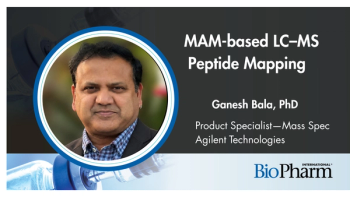
Agilent’s Dr. Ganesh Bala explains how MAM-based LC–MS peptide mapping has become a foundational analytical tool for ADC and bioconjugate CQA monitoring in this Q&A piece.

Teva launches Ahzantive, an EMA-approved aflibercept biosimilar, in select European markets for wet AMD and other retinal diseases.

CytomX and Regeneron aim to deepen their joint effort to develop protease-activated bispecific immunotherapies designed to improve tumor selectivity and widen the therapeutic window in solid tumors.

The FDA has granted Breakthrough Therapy Designation to Biogen's investigational antisense oligonucleotide salanersen for spinal muscular atrophy, supported by Phase 1b data showing motor function improvements and reduced neurodegeneration in children previously treated with gene therapy.
Daily biopharma update covering RNA exon editing licensing, gene therapy clinical data, and preclinical rare disease collaboration advances across the biotech sector.

As ATMP manufacturing capability matures, the limiting constraint has shifted from development to delivery. An analysis of Sweden's uniquely visible ecosystem identifies structural barriers that cannot be resolved through component-level optimization alone.

IDefine and UT Southwestern will assess a preclinical EHMT1 gene replacement strategy for Kleefstra syndrome.

Lilly adds Ascidian’s RNA exon-editing platform for rare inherited kidney disease targets in a deal with no disclosed clinical data.
Advertisement

Interim phase 1b/2 data from Tenaya Therapeutics’ MyPEAK-1 study showed TN-201 gene therapy was generally well-tolerated and associated with improvements in cardiac remodeling, symptom burden, and functional measures in patients with MYBPC3-associated hypertrophic cardiomyopathy.¹
Today’s BioPharm Brief covers FDA draft guidance aimed at streamlining rare disease gene therapy development, Phase 3 trial updates involving dual survival endpoints in oncology programs, and Eli Lilly’s $1.2 billion licensing deal for a GLP-2 therapy in short bowel syndrome.

Eli Lilly has entered a licensing agreement with Hanmi Pharmaceutical for sonefpeglutide, a long-acting GLP-2 receptor agonist in Phase 2 development for short bowel syndrome. The deal includes $75 million upfront and up to $1.2 billion in milestone payments, plus royalties.

FDA draft guidance outlines how prior scientific knowledge may support gene therapy development for rare and life-threatening diseases.
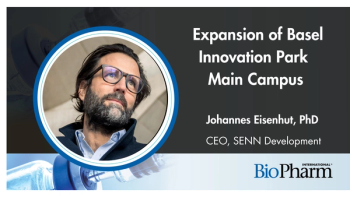
Flexible laboratory and good manufacturing practice-ready infrastructure in Basel is designed to support biopharma startups, manufacturing scale-up, and innovation growth, says SENN Development CEO Dr. Johannes Eisenhut.
Advertisement
Advertisement