

FSD Pharma has entered a definitive agreement to acquire all of the issued and outstanding shares of Lucid Psycheceuticals for approximately US$9 million (CAD$11.3 million) in FSD Pharma stock.
FSD Pharma has entered a definitive agreement to acquire all of the issued and outstanding shares of Lucid Psycheceuticals for approximately US$9 million (CAD$11.3 million) in FSD Pharma stock.
FDA has cleared QSAM Biosciences’s IND application for Samarium-153 DOTMP (CycloSam).
Nanoform and Boehringer Ingelheim have executed a master services agreement in relation to pre-clinical development projects.
A research collaboration will combine Imugene’s oncolytic virus technology with Celularity’s allogeneic CAR T-cell therapy.
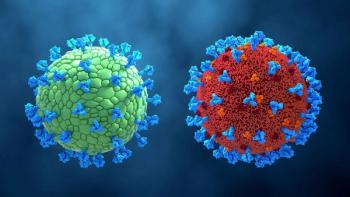
Analytical and functional characterization of virus-like particles enables process reproducibility and product consistency.
Samsung Biologics has adopted Solentim’s cell seeding and cell metric platforms at its new R&D center in San Francisco, CA.
Bio/Pharma companies are galvanized to develop COVID-19 therapies under FDA’s acceleration program.
Advances in preclinical development play a crucial role in reducing cost for developing biosimilars.
Preliminary data from a German Phase I/II trial shows Pfizer/BioNTech COVID-19 vaccine candidate produces immune response.
Strong immune response by patients receiving two doses of vaccine suggests a possible treatment strategy.
SGS has announced the receipt of approval from Belgium’s Federal Agency for Medicines and Health Products (FAMHP) to begin a new clinical trial of a potential treatment for patients with COVID-19 related respiratory failure.
GlaxoSmithKline (GSK) and Medicago have announced a collaboration for the development and evaluation of a COVID-19 vaccine candidate.
The European Directorate for the Quality of Medicines and Healthcare (EDQM) has published a new general chapter (2.6.32) in the European Pharmacopoeia (Ph. Eur.) supplement 10.3.
RNA is easier to manipulate than DNA but challenging to deliver to the right cells.
Biotechnology company, ILC Therapeutics, has revealed that it has entered into a research partnership with the University of St Andrews aimed at progressing a therapeutic drug that can treat COVID-19 to clinical trials.
Biopharmaceutical company, Atriva Therapeutics, has announced, in a May 28, 2020 press release, that it will develop ATR-002, an oral small molecule, for treatment of patients with moderate-to-severe COVID-19 that require hospitalization in a Phase II study.
Will moving at “warp speed” to develop a vaccine impact efficacy or safety?
A new strategic plan from the National Institute of Allergy and Infectious Diseases (NIAID), part of the National Institutes of Health, details the institute’s plan for accelerating research to diagnose, prevent and treat COVID-19.
US government and industry partners will coordinate to bring the most promising COVID-19 vaccine and treatment candidates to clinical trials.
Biopharma companies responding to the COVID-19 outbreak think accelerating the development of vaccines is safe.
Pre-clinical immunization studies of iBio’s SARS-CoV-2 VLP candidates are being performed by Texas A&M.
An NIH study of a COVID-19 vaccine is enrolling Seattle-based healthy adult volunteers.
Contract service organizations can offer biopharma companies early insight into dangers that may hinder a drug’s later development.
How to adopt win-win strategies and understand quality agreements for complying with cGMP when building strategic relationships with pharmaceutical contract research organizations.
GE Healthcare Life Sciences and Advanced Solutions Life Sciences (ASLS) are partnering on 3D-printing of tissues that can be used for discovery and cytotoxicity testing.