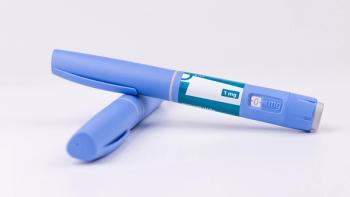
Valeant’s Siliq (brodalumab) injection will be listed for $3500 a month in the United States, the company said on April 21, 2017. In a statement, Valeant said this makes Siliq the lowest-priced injectable biologic to treat psoriasis on the US market. In an emailed statement to BioPharm International a spokesperson for the company said it "compared the list prices of all the injectable psoriasis treatments on the market today in the United States and factored in all of the varying dosages for the treatments" in order to make this determination. A Valeant spokesperson also told this publication the per dose wholesale acquisition cost for Siliq is $1750 for one syringe, not including discounts and rebates.
Siliq received FDA approval in February 2017 as a treatment for moderate-to-severe plaque psoriasis. The drug comes with a boxed warning for its potential link to suicidal ideation. During clinical trials, some patients treated with Siliq succeeded in committing suicide, FDA noted in a press release announcing the drug’s approval. In May 2015, Amgen dropped out of co-developing Siliq with AstraZeneca after news of the drug’s association to suicidal ideation in clinical trials. Valeant took over commercialization and development of the drug in the US later that year.
It is likely that Siliq will be a competitive psoriasis treatment. The drug is an IL-17 inhibitor, and has demonstrated improved plaque clearance when compared with anti-tumor necrosis factor therapies. The drug is expected to be available for sale in the US during the second half of 2017.
*This article was updated on April 24, 2017 to include comments from Valeant
Source: Valeant