Regulatory approvals, trial data, and major licensing deals in 2026 are accelerating subcutaneous biologics, cutting patient burden and reshaping biopharma strategy.
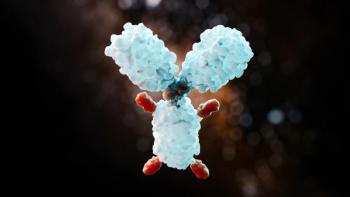
The therapy works by transferring pathogen-specific antibodies from plasma gathered from recovered individuals into an infected patient, which may help the patient’s immune system respond and increase recovery.
Takeda announced on March 4, 2020 that it is developing TAK-888, an anti-SARS-CoV-2 polyclonal hyperimmune globulin (H-IG) to treat patients infected with the novel coronavirus (COVID-19).
The H-IG works by transferring pathogen-specific antibodies from plasma gathered from recovered individuals into an infected patient, which may help the patient’s immune system respond and increase recovery, a company press release said. Currently, Takeda is in contact with several national health and regulatory agencies and health care partners in the United States, Asia, and Europe to gain access to recovered COVID-19 patients willing to donate plasma.
“Plasma-derived therapies are critical, life-saving medicines that thousands of people with rare and complex diseases rely on every day around the world,” said Dr. Chris Morabito, Takeda’s head of Research and Development, Plasma-Derived Therapies Business Unit, in the press release. “Our heritage, combined with our scale, expertise, and capabilities, uniquely position Takeda to realize the potential of plasma-derived therapies, such as TAK-888.”
“As a company dedicated to the health and well-being of people around the world, we will do all that we can to address the novel coronavirus threat,” added Dr. Rajeev Venkayya, president of Takeda’s Vaccine Business Unit and co-lead of the company’s COVID-19 response team, in the press release. “We have identified relevant assets and capabilities across the company and are hopeful that we can expand the treatment options for patients with COVID-19 and the providers caring for them.”
Source: