

Conference Coverage
Latest
Jul 08, 2026 | News
The BioPharm Brief: Biomarkers, Bleeding, Breakthroughs

Vaccinex to Present Novel Glial Biomarker Data for Pepinemab at AAIC 2026, Outlining Path to Phase 2b in Alzheimer's Disease
Jul 08, 2026

FDA Approves Expanded Use of Wilate for Von Willebrand Disease Prophylaxis in Children Under Age 6
Jul 08, 2026

FDA Grants Accelerated Approval to Trutakna as First BAFF and APRIL Inhibitor for IgA Nephropathy
Jul 08, 2026

Recapping BIO International Convention 2026: Biopharma Eyes a Resilient Future
Jul 08, 2026


Advertisement
Shorts
1:04
The Return of Biotech: M&A Activity, Investment, and Industry Growth
7 days ago
by
Feliza Mirasol
0:46
The 'Non-Magic' Secret to Faster Biotech Timelines
7 days ago
by
Nicholas Jacobus(+2 more)
0:43
Why Human Data is Replacing Animal Studies in Antibody Development
9 days ago
by
Feliza Mirasol(+1 more)
0:36
How 10 People Reached Clinical-Stage Drug Discovery Using AI
9 days ago
by
Feliza Mirasol(+1 more)
0:30
Why Flexibility is the Secret to Modern Biotech Deals
12 days ago
by
Nicholas Jacobus(+2 more)
0:32
The Future of Cancer Treatment: Moving Beyond Traditional ADCs
13 days ago
by
Emily Schoenthaler(+1 more)
0:39
What Actually Matters in Drug Development
13 days ago
by
Nicholas Jacobus(+2 more)
0:47
Should We Replace Animal Testing in Cancer Research?
13 days ago
by
Emily Schoenthaler(+1 more)
0:19
Why Great Biotech Ideas Fail to Scale
13 days ago
by
Feliza Mirasol(+1 more)
0:33
Scaling Your Biotech Assets: Key Success Factors
13 days ago
by
Nicholas Jacobus(+2 more)
PharmTech® and BioPharm® 2025 Employment + Trends Survey
We invite you to participate in the annual employment survey for individuals involved in bio/pharmaceutical development, formulation, or manufacturing.
Behind the Headlines Episode 28
Navigating FDA Shakeups and Obesity Drug Wars
Ask the Expert
Audits, Inspections, and CDMOs
Drug Digest November 2025
Biopharma Landscape Evolves Through Strategic Alliances and Technology Integration
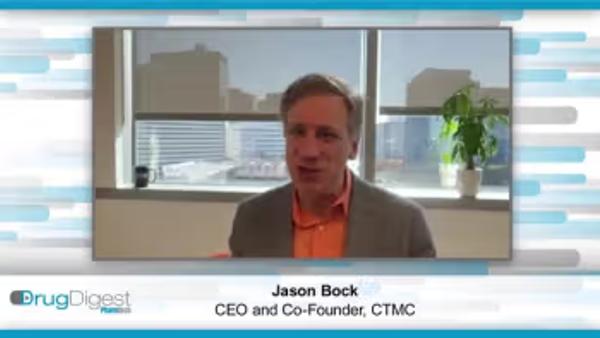
How Mitigation and Maintenance Protect Against Future Risk
Manufacturing biologics is a complex task. Mitigating risk early minimizes future complications.

Videos

Advertisement
All News
Advertisement
Today's BioPharm Brief explores three different ways biopharma companies are advancing precision medicine, from next generation bispecific antibody drug conjugates and myeloid engager immunotherapy to stem cell derived neuron replacement for Parkinson's disease.
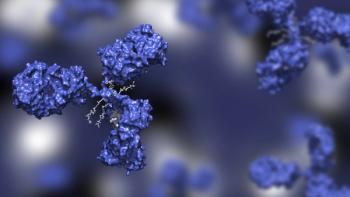
Because antibody-drug conjugates sit at the interface of antibody biology and small-molecule pharmacology, payload-led design brings those disciplines together, earlier.

Kenai Therapeutics has completed enrollment in the Phase 1b/2a REPLACE trial of RNDP-001, an allogeneic iPSC-derived dopaminergic neuron replacement therapy for idiopathic Parkinson's disease, with safety and preliminary efficacy data expected in 2027 — representing a significant step toward a potential disease-modifying cell therapy for a condition affecting more than 10 million people worldwide.

LTZ Therapeutics has received FDA IND clearance for LTZ-232, a first-in-class bispecific antibody designed to activate tumor-associated macrophages to phagocytose EpCAM-positive colorectal cancer cells — a novel myeloid-engaging approach aimed at overcoming the immunologically cold tumor microenvironment that has historically limited immunotherapy in this setting.
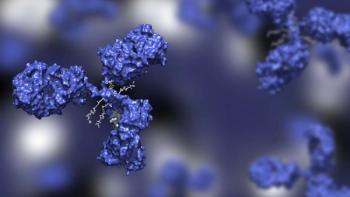
Biocytogen and Whitehawk Therapeutics have announced a global collaboration combining Biocytogen's RenLite bispecific antibody discovery platform with Whitehawk's CPT113-based ADC linker-payload technology to generate bispecific ADC candidates with differentiated tumor-targeting profiles — with Whitehawk targeting new ADC INDs within 12 to 24 months.

The European Commission has approved Tepkinly in combination with lenalidomide and rituximab for adults with relapsed or refractory follicular lymphoma after at least two prior systemic therapies, based on Phase 3 EPCORE FL-1 data showing a 79% reduction in risk of disease progression or death — marking the first bispecific antibody-based combination regimen approved in Europe for this indication.

The FDA has approved a label expansion for Casgevy, the first CRISPR-based gene therapy, lowering the eligible age from 12 to 2 years in sickle cell disease — a move that significantly broadens the potential patient population and marks another milestone in the clinical maturation of CRISPR-based genomic medicine.
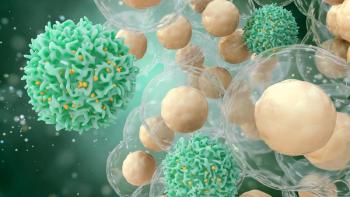
Three-year follow-up data from Agenus' Phase 2 trial of botensilimab plus balstilimab in refractory microsatellite-stable metastatic colorectal cancer show a 33% overall survival rate at three years — with evidence of a plateau on the Kaplan-Meier curve beyond two years — representing an unprecedented durability signal in a tumor type historically resistant to immune checkpoint therapy.

AI adoption is no longer an abstract innovation exercise, but has become a critical lever for survival across the pharmaceutical landscape, characterized by compressed competitive windows and soaring development costs.

CNS monoclonal antibody therapies demand rigorous screening and monitoring to ensure patient safety in MS, NMOSD, and Alzheimer disease.
Advertisement
Today's BioPharm Brief explores three distinct ways researchers are engineering the immune system, from a first-in-human bispecific T-cell engager for ovarian cancer and the FDA's first regulatory T-cell immunotherapy to promising vaccine data against antibiotic-resistant Shigella.
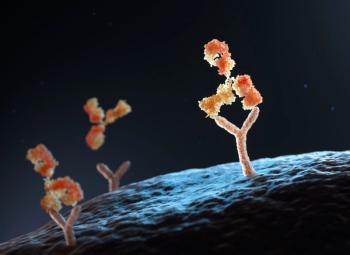
92Bio, Inc. has dosed the first patient in a Phase 1 trial of NTB-928, a fully human bispecific T-cell engager targeting FOLR1 and CD3, designed to selectively kill FOLR1-overexpressing ovarian cancer cells while sparing normal tissue — addressing a key limitation of prior FOLR1-directed therapies in platinum-resistant ovarian cancer.
BIO 2026 highlighted biotech's resurgence through M&A dealmaking, CDMO diversification, and renewed investor confidence in biopharma development.

A phase 2 controlled human infection trial has found that two doses of WRSs2, a live-attenuated oral vaccine candidate against Shigella sonnei, achieved 89% protection — the highest efficacy reported for any Shigella vaccine candidate — with no serious adverse events, advancing a century-long quest for a licensed vaccine against the diarrheal pathogen.
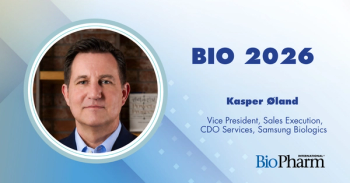
Speaking at BIO 2026, Kasper Øland, Samsung Biologics' vice president of sales execution, emphasizes how complex molecules now exceed 55% of the company’s pipeline as biotechs demand faster, more flexible CDMO partnerships.
Advertisement
Advertisement